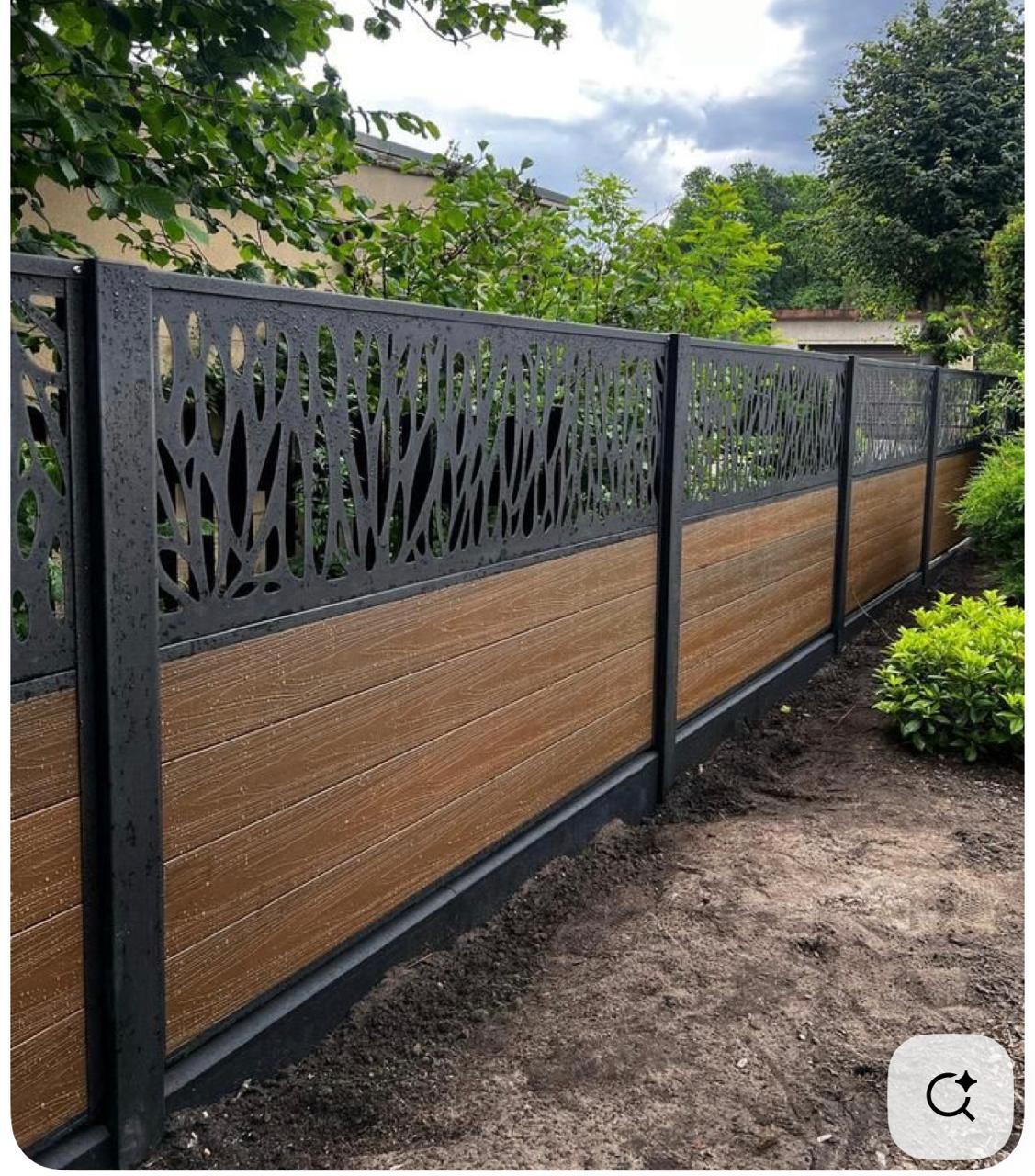
The Benefits of WPC Fencing Over Other Fencing Options for Jamaica
Choosing the right fence in Jamaica is no small decision. Between the salt-laden coastal air, the intense tropical sun, and the heavy rains of the wet season, any boundary solution has to work hard just to survive — let alone look good doing it. For years, homeowners have defaulted to traditional timber, chain-link, or concrete block walls. But a newer option is steadily winning over Jamaican property owners: wood-plastic composite (WPC) fencing.
WPC fencing blends recycled wood fibres with plastic polymers to create boards that look like real timber but behave very differently under Caribbean conditions. In this guide, we break down exactly why WPC is outperforming the alternatives across the island.
What Makes the Jamaican Climate So Tough on Fences
Before comparing materials, it helps to understand what a fence in Jamaica is up against:
High humidity and salt air — especially along the coast in parishes like Kingston, St. Andrew, and Montego Bay, which accelerates corrosion in metal and rot in untreated wood.
Intense UV exposure — the near-equatorial sun fades paint, greys timber, and degrades many plastics over time.
Heavy seasonal rainfall — water pooling at the base of a fence promotes rot, rust, and soil movement that can loosen posts.
Termites and pests — traditional timber is a food source, and Jamaica's warm climate keeps these pests active year-round.
Any fencing material that cannot handle all four of these challenges will require frequent repairs or replacement. WPC was engineered specifically to address each one.
WPC vs Traditional Timber Fencing
Timber is the classic choice, and it's easy to see the appeal: it's familiar, widely available, and looks natural. But in Jamaica, untreated or poorly treated timber has a short lifespan. Even pressure-treated pine will eventually succumb to moisture and termites.
Where WPC pulls ahead
No rot or termite damage — the plastic content makes WPC inedible to pests and impervious to the fungal rot that destroys timber.
No painting or staining — the colour runs through the entire board, so there's nothing to repaint every couple of years.
Consistent appearance — natural timber varies in grain and quality; WPC boards are uniform, giving a cleaner finished look.
Longer lifespan — a quality WPC fence can last 15 years or more with minimal upkeep, versus 7–10 years for typical timber in tropical conditions.
The trade-off is upfront cost — WPC is more expensive to install than basic timber. But when you factor in the eliminated maintenance and replacement cycles, the lifetime cost is almost always lower.
WPC vs Chain-Link and Metal Fencing
Chain-link and welded metal fences are popular for security and budget reasons. They're strong, relatively cheap, and quick to install. The problem in Jamaica is corrosion.
Rust resistance — even galvanised chain-link will eventually rust where the coating gets scratched, which is common during installation and from flying debris in storms. WPC contains no metal to corrode.
Aesthetics and privacy — chain-link is see-through and looks industrial. WPC offers a solid privacy screen with a warm, architectural finish that suits residential and commercial properties alike.
Wind performance — solid WPC panels (when properly installed with gaps for airflow) handle storm winds well, whereas chain-link can sag and deform under impact.
For properties where security visibility is a priority, metal still has a role. But for most homes and resorts, WPC delivers comparable durability with far better looks.
WPC vs Concrete Block Walls
Concrete block walls are the default "premium" boundary solution in Jamaica. They're undeniably strong and private. But they come with significant downsides:
Cost — a block wall requires foundations, steel reinforcement, blocklaying, plastering, and painting. The labour and material cost is substantially higher than WPC.
Construction time — a block wall takes weeks to cure and finish; a WPC fence can be installed in days.
Cracking — Jamaica's seismic activity and clay-heavy soils cause concrete walls to crack over time. WPC's slight flex absorbs ground movement without fracturing.
Heat retention — concrete walls radiate stored heat. WPC stays cooler and doesn't turn your yard into an oven.
For many Jamaican properties, WPC offers 90% of the privacy and security of a block wall at a fraction of the cost and construction time.
The Low-Maintenance Advantage
The single biggest reason Jamaican homeowners switch to WPC is the reduction in upkeep. A timber fence needs painting or staining every 2–3 years. A metal fence needs rust treatment and repainting. A block wall needs crack repair and repainting.
A WPC fence needs only an occasional wash with soap and water to remove dust and salt residue. That's it. No sanding, no staining, no rust treatment, no repainting. Over a 20-year period, this saves both significant money and countless weekends of labour.
Aesthetic Versatility
Modern WPC fencing comes in a range of wood-tone finishes — teak, walnut, oak, grey — as well as contemporary solid colours. Boards are installed horizontally and can be mixed with metal or concrete posts and cut to custom heights. This flexibility makes WPC suitable for everything from a modest Kingston townhouse to a luxury Negril villa.
Environmental Considerations
WPC is typically made from recycled wood fibre and reclaimed plastic, which means it diverts waste from landfills. Unlike treated timber, it doesn't leach preservatives into the soil, and at the end of its long life it can often be recycled again. For eco-conscious Jamaican property owners, that's a meaningful advantage over chemically-treated wood or virgin plastic fencing.
Is WPC Fencing Right for Your Jamaican Property?
WPC is not the cheapest option upfront, and it's not the right choice for every situation. But for the majority of residential and light-commercial applications in Jamaica, it offers the best balance of durability, appearance, and long-term value. If you want a fence that looks like timber, lasts like concrete, and needs almost no maintenance — WPC is the material that finally delivers on all three.
Ready to upgrade your property's boundary? Call WPC Fence Co. at 876-707-6383 to discuss the WPC profiles and colours available in Jamaica and request samples so you can see and feel the finish before you commit. A well-installed WPC fence is an investment that will keep your property looking sharp for decades.
